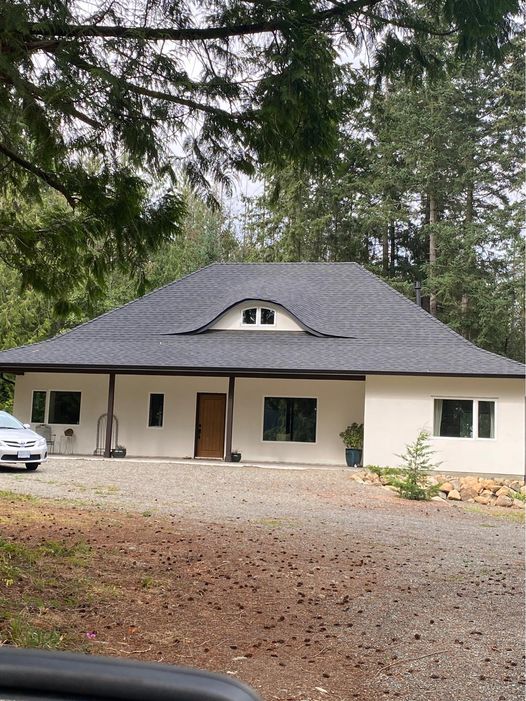
Curved Dormer

Oct 7, 2020 | News

Curved dormer on Marsden. Looks great. Certainteed shingles moire black...

$

Get a Free Quote

A moss-covered roof is a common sight throughout the Comox Valley and Vancouver Island. While many homeowners see moss as nothing more than a cosmetic issue, it can actually be one of the most damaging conditions affecting a roof over time.

Our coastal climate provides the perfect environment for moss to thrive. Frequent rainfall, high humidity, and shaded roof surfaces allow moss to retain moisture almost year-round. Left untreated, that moisture can accelerate the deterioration of roofing materials and increase the risk of leaks.

Understanding how moss affects your roof can help you protect one of your home's most valuable investments.

Home

Why Moss Grows on Roofs

Unlike plants with traditional roots, moss spreads by attaching itself to damp surfaces. Roofs that receive limited sunlight or remain wet for extended periods are particularly vulnerable.

Several factors encourage moss growth, including:

  • Frequent rainfall
  • High humidity
  • Shade from mature trees
  • Organic debris such as leaves and pine needles
  • Poor roof drainage

Once established, moss continues to spread unless it is removed.

How Moss Can Damage Your Roof

Although moss grows slowly, the damage it causes can become significant over time.

Moss Holds Moisture Against the Roof

Your roof is designed to shed water quickly. Moss interferes with this process by acting like a sponge, holding moisture against shingles long after rainfall has ended.

Constant moisture exposure accelerates the aging of roofing materials.

Moss Can Lift Roofing Materials

As moss thickens, it can work its way beneath the edges of shingles.

This may:

  • Lift shingles away from the roof surface
  • Create pathways for wind-driven rain
  • Allow moisture to penetrate beneath the roofing system

Even small gaps can eventually lead to leaks.

Faster Shingle Deterioration

Asphalt shingles rely on a protective surface to withstand UV exposure and moisture.

When moss remains on the roof:

  • Shingles stay wet longer
  • Protective granules wear away more quickly
  • The roofing material ages prematurely

This can significantly reduce the expected lifespan of the roof.

Increased Risk of Roof Leaks

Water trapped beneath moss or lifted shingles may eventually reach the underlayment or roof decking.

Over time, this can lead to:

  • Interior leaks
  • Wood rot
  • Mold growth
  • Damaged insulation

Many homeowners don't realize the extent of the damage until water appears inside the home.

Can Moss Damage Any Type of Roof?

While asphalt shingles are most commonly affected, moss can impact nearly any roofing material if moisture remains trapped.

Roofs that are:

  • Older
  • North-facing
  • Heavily shaded
  • Surrounded by mature trees

are generally more susceptible to recurring moss growth.

Should You Remove Moss Yourself?

Many homeowners are tempted to pressure wash moss from their roofs.

Unfortunately, this can do more harm than good.

High-pressure washing can:

  • Strip protective granules from shingles
  • Crack roofing materials
  • Force water beneath shingles
  • Shorten the life of the roof

Similarly, scraping moss with hard tools may damage roofing materials.

The safest approach is to have moss evaluated and removed using methods appropriate for your roofing system.

How to Prevent Moss from Returning

Although moss can be removed, preventing regrowth is equally important.

Homeowners can help reduce moss by:

  • Keeping gutters clean
  • Removing leaves and organic debris
  • Trimming branches that shade the roof
  • Improving airflow around the home
  • Scheduling regular roof inspections

Routine maintenance allows moss to be addressed before it becomes established.

Why Professional Roof Inspections Matter

Moss often hides developing roof problems.

During a professional inspection, a roofer can determine whether moss has already caused:

  • Damaged shingles
  • Flashing issues
  • Moisture intrusion
  • Soft roof decking
  • Drainage problems

This allows repairs to be made before more serious damage occurs.

If moss is growing on your roof, contact Aces Roofing for a professional roof inspection and maintenance assessment. Addressing moss early can help protect your roof and extend its lifespan.

FAQ

Is moss always harmful to a roof?

Small patches may not cause immediate damage, but moss should never be ignored. Over time, it traps moisture that can accelerate roof deterioration.

Will moss go away on its own?

No. Without treatment, moss generally continues to spread in Coastal BC's damp climate.

Can moss cause roof leaks?

Yes. Moss can lift shingles, trap moisture, and create conditions that allow water to enter the roofing system.

20 years of quality

Aces Roofing services all of Vancouver Island and the Gulf Islands.

Our crews are located in the Comox Valley, making us one of the most responsive roofing companies on the Island.

Related posts

Does Moss Damage Your Roof or Just Look Bad?

June 10, 2026

Read More

$

Seasonal Roof Maintenance Checklist for Coastal BC Homes

June 3, 2026

Read More

$

Can Roof Maintenance Really Prevent Leaks?

May 27, 2026

Read More

$