
Most homeowners know that regular roof inspections are important, but what does a roofing professional actually look for?
It's easy to imagine an inspection as someone climbing onto the roof, checking for missing shingles, and making sure everything looks reasonably intact. While the visible roofing materials are certainly important, a thorough inspection involves much more than a quick look at the surface.
Your roof is a complete system. Shingles or other roofing materials, flashing, underlayment, ventilation, drainage, and structural components all work together to protect your home from the weather.
A problem with one component can affect the performance of the others, even when the roof appears to be in good condition from the ground.
For homeowners in the Comox Valley, this is particularly important. Our coastal climate brings prolonged rainfall, seasonal windstorms, and persistent moisture that can expose weaknesses in roofing systems over time.
A professional roof inspection helps identify those weaknesses, assess the overall condition of your roof, and determine whether maintenance or repairs are needed.
Let's look at what a roofing specialist examines and why each part of the inspection matters.
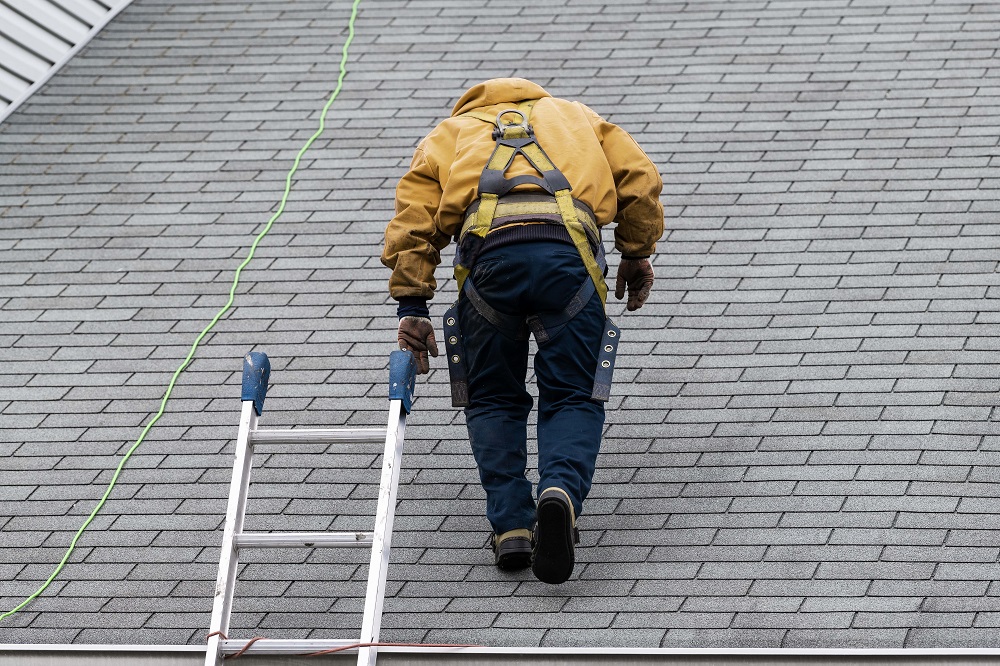
The Condition of Your Roofing Materials
The most visible part of your roof is usually the first place homeowners look for problems.
For an asphalt shingle roof, a roofing professional examines the condition of the shingles to identify damage, deterioration, and signs of aging.
Cracked, curling, loose, or missing shingles can create opportunities for rainwater to reach the materials beneath them. Excessive granule loss may also indicate that the shingles are wearing down.
However, an inspection isn't simply about counting damaged shingles.
The roofing specialist also considers how the materials are aging across different areas of the roof.
A shaded north-facing slope may experience more persistent moisture and moss growth, while a roof surface exposed to stronger winds may develop different types of wear.
These variations can help identify areas that require additional attention.
For metal roofing and other roofing systems, the inspection focuses on the components and potential vulnerabilities specific to those materials, including seams, fasteners, protective finishes, and transitions.
The objective is to determine whether the visible roofing materials are continuing to provide reliable protection against the weather.
Flashing Around Chimneys, Vents, and Skylights
Some of the most common roof leaks develop around the places where different building components meet.
Chimneys, plumbing vents, skylights, and adjoining walls all create transitions that require carefully installed flashing to keep water out.
Flashing is designed to direct rainwater away from vulnerable joints and back onto the roof surface.
Over time, these components can become loose, corroded, bent, or separated from the surrounding roofing materials.
A roofing professional examines these areas for signs of deterioration, improper installation, or openings that may allow moisture to enter.
Why Roof Penetrations Need Particular Attention
Plumbing vents and other roof penetrations create openings through the roofing system.
These openings must remain properly protected.
For example, a plumbing vent may use a flashing assembly with a rubber collar, commonly called a vent boot, to seal the connection around the pipe.
As the rubber ages, it can crack or lose flexibility.
A deteriorating vent boot may allow water to travel down the outside of the pipe and into the roof structure, even when the surrounding shingles remain in excellent condition.
Identifying a damaged boot during a routine inspection may allow it to be replaced before water begins entering the home.
Roof Valleys and Other Drainage Areas
Roof valleys are the areas where two sloping roof surfaces meet.
Because they collect and direct water from multiple sections of the roof, valleys can experience substantial water flow during heavy rainfall.
Leaves, moss, needles, and other debris can accumulate in these areas, particularly on properties surrounded by trees.
When drainage becomes restricted, water may collect or move in ways the roofing system wasn't designed to manage.
A roofing specialist examines accessible valleys for debris, damaged materials, and signs that water may be entering beneath the roofing surface.
For Comox Valley homeowners, these areas deserve attention because extended rainfall can expose drainage problems that might go unnoticed during drier weather.
Gutters and Roof Edges
Your gutters are an important part of protecting the roof and the rest of your home.
When they function properly, gutters collect rainwater and direct it away from the building.
When they become blocked or damaged, water may overflow or back up along the roof edge.
Depending on the roof design, this can contribute to moisture problems around fascia boards, soffits, and vulnerable roofing transitions.
During an inspection, a roofing professional may assess the visible condition of gutters, roof edges, and drainage areas to identify potential problems.
This can include looking for accumulated debris, deteriorating materials, or signs that water isn't moving away from the building as intended.
A roofing inspection doesn't necessarily include gutter cleaning or repairs, but it can identify whether additional drainage maintenance is recommended.
Signs of Moisture Beneath the Roofing Materials
One of the most valuable aspects of a professional roof inspection is the opportunity to identify moisture problems that aren't obvious from outside the home.
A roof can appear relatively normal while water is entering through a small opening and travelling beneath the roofing materials.
Over time, moisture may affect the roof decking, insulation, and other building components.
What Can the Attic Reveal?
Where an attic is safely accessible and included in the inspection, it can provide useful information about the condition of the roofing system.
A roofing specialist may look for moisture staining on the underside of the roof decking, damp insulation, or discolouration around roof penetrations.
These symptoms may indicate that water has entered through the roofing materials.
However, not every moisture problem in an attic is caused by a roof leak.
Condensation, inadequate ventilation, and warm, moist air escaping from the living space can produce similar symptoms.
A professional assessment considers the location and pattern of the moisture alongside the condition of the exterior roofing system.
This helps determine whether the problem is associated with water entering from outside or whether further investigation of the attic environment is appropriate.
Roof Ventilation and Moisture Management
A roofing system does more than keep rain out. It also needs to manage moisture and temperature within the roof assembly.
In many residential roofing systems, attic ventilation helps manage heat and moisture by allowing air to circulate through designated intake and exhaust openings.
When ventilation is obstructed or the system isn't functioning as intended, moisture may accumulate in the attic.
This can contribute to condensation and deterioration of building materials.
A roofing professional may examine accessible vents and look for signs of moisture-related problems that could indicate ventilation concerns.
However, ventilation is only one part of attic moisture management. Air sealing, insulation, and indoor humidity also influence conditions within the roof space.
If the inspection identifies these concerns, additional assessment may be recommended to determine the appropriate solution.
Roof Decking and Structural Concerns
The roof decking provides the supporting surface beneath your roofing materials.
When moisture repeatedly reaches the decking, it can contribute to deterioration over time.
A roofing specialist looks for visible conditions that may indicate damage beneath the roof surface, such as localized depressions, uneven areas, or signs of moisture-related deterioration.
Where the attic is accessible, the underside of the decking may provide additional clues.
However, it's important to understand that a routine roof inspection doesn't expose every concealed component.
Determining the full extent of hidden damage may require removing roofing materials or arranging further investigation.
If significant structural concerns are identified, assessment by an appropriately qualified structural professional may also be necessary.
What a Roof Inspection Can't Always Reveal
A professional roof inspection provides valuable information about the condition of your roofing system, but it isn't a guarantee that every concealed problem will be discovered.
Some roofing components cannot be fully assessed without removing materials.
Weather conditions, roof pitch, height, access limitations, and safety concerns may also affect which areas can be examined.
For example, a roofing professional may identify evidence suggesting that moisture has entered beneath the shingles, but determining the full extent of damage to the decking may require further investigation.
A thorough inspection should identify visible concerns, explain any important limitations, and recommend additional assessment when necessary.
The value of an inspection comes from understanding what can be observed, recognizing potential vulnerabilities, and identifying the appropriate next steps.
What Happens After the Inspection?
Once the roofing specialist has assessed the accessible components, the next step is to explain the findings.
This may involve identifying areas that require maintenance, recommending targeted repairs, or discussing the overall condition of an aging roofing system.
Not every inspection results in repair work.
Sometimes the roof is functioning as intended, and the primary recommendation is to continue with regular maintenance.
In other situations, the inspection may reveal damaged shingles, deteriorating flashing, blocked drainage, or other concerns that should be addressed.
For older roofs, the findings can also help homeowners begin planning for eventual replacement.
Understanding your roof's condition allows you to make informed decisions rather than waiting for an unexpected leak or storm-related failure.
When Should You Schedule a Professional Roof Inspection?
For many homeowners, an annual professional roof inspection is a practical preventative-maintenance approach.
The appropriate frequency depends on the age, condition, materials, and weather exposure of the roof.
Additional inspections may be worthwhile after significant windstorms or when new warning signs appear.
For Comox Valley homeowners, late summer or early fall can be a useful time to assess the roof before prolonged winter rainfall.
However, you shouldn't wait for a scheduled inspection if you've noticed an active leak, missing shingles, or other evidence of damage.
These conditions deserve prompt attention regardless of the season.
When to Call a Roofing Professional
If your roof hasn't been inspected for several years, is beginning to show signs of aging, or has experienced significant storm exposure, arrange a professional roof assessment.
A roofing specialist can examine the accessible roofing components, identify maintenance needs, and determine whether developing problems require repair or further investigation.
If you've noticed unexplained ceiling stains, damp insulation, deteriorating flashing, damaged shingles, or drainage problems, an inspection can help identify the likely source and establish the appropriate next steps.
Even when no obvious problems are present, understanding the condition of your roof can help you plan future maintenance and make informed decisions about repairs or replacement.
For homeowners throughout the Comox Valley, regular professional inspections are an important part of maintaining a roofing system exposed to coastal rainfall, seasonal windstorms, and persistent moisture.
Schedule a Professional Roof Inspection With Aces Roofing
A professional roof inspection can provide valuable insight into the condition of your roofing system and help identify potential problems before they lead to more extensive damage.
Whether you're concerned about an aging roof, have noticed signs of deterioration, or simply want to stay ahead of maintenance, Aces Roofing can help.
Our roofing specialists provide expert roofing service for homeowners throughout Courtenay, Comox, and the surrounding Comox Valley.
Contact Aces Roofing to schedule a professional roof inspection and understand what your roofing system needs to remain in good condition.
FAQ
Does a professional roof inspection include checking the attic?
An attic assessment may be included when access is available, conditions are safe, and it falls within the agreed inspection scope. Examining the attic can help identify moisture staining, damp insulation, and other evidence of potential water intrusion. However, not every roof inspection includes attic access, so it's worth confirming what will be examined when scheduling the service.
Can a roof inspection tell me how much longer my roof will last?
A professional inspection can provide useful information about the roof's current condition, the extent of deterioration, and whether repairs or replacement planning may be appropriate. However, it cannot guarantee a specific remaining lifespan. Roofing performance depends on the materials, installation, maintenance history, and future weather exposure.
Do I need a roof inspection if there are no visible problems?
Regular inspections can be worthwhile even when the roof appears to be functioning normally. Small areas of damaged flashing, deteriorating vent boots, or other developing vulnerabilities may not produce obvious symptoms from the ground. Periodic professional assessments provide an opportunity to identify maintenance needs before they contribute to leaks or more extensive damage.