
Living in the Comox Valley means enjoying everything that makes Vancouver Island special, from mild winters and lush forests to ocean views and beautiful coastal landscapes. But those same conditions can place ongoing demands on your home's roofing system.
Extended rainfall, seasonal windstorms, falling leaves, moss growth, and changing temperatures can all affect how well your roof performs throughout the year.
While a properly installed roof is designed to withstand local weather conditions, even durable roofing materials require periodic attention.
The challenge is that roofing problems often develop gradually. A small area of deteriorating flashing, accumulated debris in a roof valley, or a loose shingle may go unnoticed until heavy rainfall exposes the weakness.
Seasonal roof maintenance provides an opportunity to identify these concerns before they become active leaks or more extensive damage.
For homeowners in Courtenay, Comox, and surrounding communities, a practical maintenance routine doesn't need to be complicated. Understanding what deserves attention during each season can help protect your home and support the long-term performance of your roofing system.
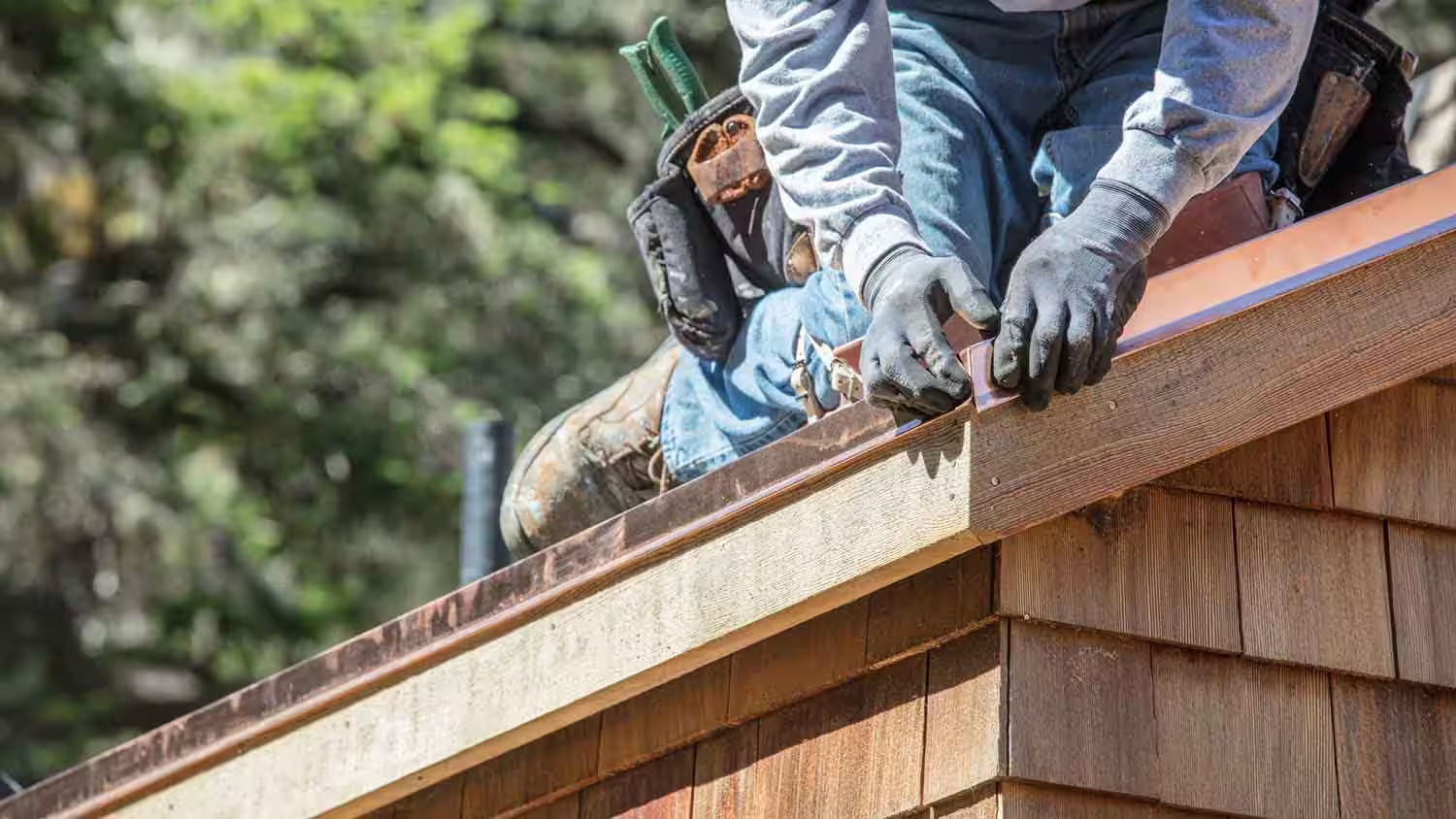
Spring: Assess Your Roof After Winter
Spring is a useful time to evaluate how your roof performed during the wetter months.
Even relatively mild Vancouver Island winters can bring extended rainfall, strong winds, and moisture conditions that expose vulnerabilities in roofing materials.
By spring, damaged shingles, deteriorating flashing, and accumulated debris may be easier to identify.
Look for Signs of Winter Storm Damage
From the ground, take a look at your roof for any visible changes.
Missing shingles, uneven roof surfaces, damaged flashing, or fallen branches may indicate that winter weather has affected the roofing system.
Pay attention to areas around chimneys, plumbing vents, and skylights. These transitions rely on properly installed flashing and can become vulnerable when components deteriorate or shift.
Inside your home, look for new water stains or unexplained dampness on upstairs ceilings and walls.
If your attic is safely accessible, moisture staining or damp insulation may provide additional clues that water has entered during the winter.
Check for Moss and Accumulated Debris
Spring is also a good time to assess moss growth, particularly on shaded roof slopes.
Moss is common in the Comox Valley, but extensive growth can retain moisture, conceal deteriorating roofing materials, and interfere with drainage.
Leaves, needles, and small branches may also have accumulated in roof valleys or gutters over the winter.
A professional can assess whether moss removal or debris clearing is appropriate and recommend methods that won't damage your roofing materials.
Summer: Take Advantage of Drier Weather
Summer provides an opportunity to address roofing concerns before the next extended period of wet weather.
While roofs are exposed to sunlight and heat during the summer months, the generally drier conditions can make it easier to schedule certain maintenance and repair work.
This is an excellent time to follow up on concerns identified during a spring inspection.
Address Damaged Shingles and Flashing
If your roof has loose shingles, cracked vent boots, or deteriorating flashing, summer is a practical time to arrange repairs.
These problems may not cause noticeable leaks during dry weather, but they can become more troublesome when persistent rainfall returns.
Replacing a damaged plumbing vent boot or repairing a small section of flashing before fall can help prevent moisture from entering during the next storm.
Review the Condition of an Aging Roof
Summer is also a useful time to assess whether your roof is approaching the later stages of its expected service life.
A professional inspection can help identify widespread shingle deterioration, recurring repair concerns, or other signs that replacement planning may be appropriate.
This doesn't mean an older roof automatically needs replacing.
Understanding its current condition gives you an opportunity to budget, compare roofing options, and schedule necessary work without the added pressure of an active leak.
Planning roofing work before the wet season can provide more flexibility than waiting until a storm reveals a problem.
Fall: Prepare Your Roof for Heavy Rain and Wind
For many Coastal BC homeowners, fall is the most important season for preventative roof maintenance.
As temperatures begin to drop and rainfall increases, your roofing system needs to be ready to manage prolonged moisture and seasonal windstorms.
A roof that performed adequately through summer may have vulnerabilities that become apparent when exposed to several days of heavy rain.
Clear Gutters and Drainage Areas
Falling leaves, evergreen needles, moss, and other debris can quickly accumulate in gutters and roof valleys.
When drainage becomes restricted, water may overflow or collect in vulnerable areas rather than moving away from the home.
Depending on the roof design, this can contribute to moisture problems around roof edges, fascia boards, soffits, and adjoining building components.
For homes surrounded by mature trees, gutter maintenance may be necessary more than once during the fall.
It's worth checking drainage again after significant leaf fall or windstorms, even if the gutters were cleaned earlier in the season.
Inspect Vulnerable Roofing Components
Before prolonged winter rainfall arrives, have damaged shingles, flashing, roof penetrations, and other known concerns assessed.
Particular attention should be given to areas where different roofing materials or building components meet.
A deteriorating chimney flashing connection or cracked vent boot may allow only limited moisture through during ordinary rainfall. During prolonged or wind-driven rain, that same vulnerability may lead to an active leak.
Correcting these issues in advance is one of the most practical ways to reduce the risk of preventable water intrusion.
Winter: Monitor Your Roof During Coastal Storms
Winter maintenance in the Comox Valley is primarily about observing your roof's performance and responding promptly when problems appear.
Heavy rainfall and windstorms can expose weaknesses that weren't obvious during drier weather.
However, winter is not the time for homeowners to climb onto roofs or attempt repairs during unsafe conditions.
Watch for Leaks and Drainage Problems
Pay attention to what happens during significant rainfall.
Are the gutters overflowing? Is water collecting where it shouldn't? Have new stains appeared on the ceiling or around a chimney?
These observations can help identify problems that warrant professional attention.
A roof may only leak during prolonged rainfall or when wind drives water toward a particular opening. Don't assume that a problem has resolved itself simply because the dripping stops when the weather improves.
Check for Damage After Major Windstorms
Strong winds can lift shingles, loosen flashing, and bring branches down onto the roof.
Once the storm has passed and conditions are safe, observe the roof from the ground for obvious damage.
If you notice missing shingles, fallen branches, or other visible changes, arrange a professional assessment.
Even when the roof appears normal, significant storms may warrant additional attention for older roofs or properties exposed to strong winds.
Avoid climbing onto wet roofing materials or attempting to remove large branches yourself.
Your content goes here. Edit or remove this text inline or in the module Content settings. You can also style every aspect of this content in the module Design settings and even apply custom CSS to this text in the module Advanced settings.
How Often Should You Schedule Professional Roof Maintenance?
A seasonal maintenance routine doesn't mean your roof needs a full professional inspection four times a year.
For many homes, an annual professional inspection is a practical preventative-maintenance approach, supported by occasional ground-level observations and additional attention after significant storms.
However, the appropriate schedule depends on the age, condition, and materials of your roof.
Homes surrounded by mature trees may require more frequent gutter cleaning or moss management. Older roofs and those with a history of leaks may also benefit from closer monitoring.
The objective is to establish a maintenance schedule that reflects your property's needs rather than waiting for a problem to become visible inside the home.
When to Call a Roofing Professional
If your roof has visible storm damage, persistent moss growth, deteriorating shingles, drainage problems, or hasn't been professionally inspected for several years, arrange a roof assessment.
A roofing specialist can evaluate the accessible roofing components, identify seasonal maintenance needs, and recommend repairs that may help prevent water intrusion during future rainfall.
If you've noticed water stains, active leaks, loose flashing, or missing shingles, don't wait for the next scheduled maintenance season. These concerns deserve prompt attention regardless of the time of year.
For homeowners throughout the Comox Valley, a professional assessment before the wettest months can help identify roofing vulnerabilities and establish a maintenance plan suited to our coastal climate.
Keep Your Roof Ready for Every Season With Aces Roofing
Seasonal roof maintenance is an important part of protecting your home from avoidable water damage and supporting the long-term performance of your roofing system.
Whether your roof needs a routine inspection, preventative maintenance, moss management, or repairs following a storm, Aces Roofing can help identify the appropriate next steps.
Our roofing specialists provide expert roofing service for homeowners throughout Courtenay, Comox, and the surrounding Comox Valley.
Contact Aces Roofing to schedule a professional roof inspection and keep your roofing system prepared for changing coastal weather throughout the year.
FAQ
What is the most important season for roof maintenance in Coastal BC?
Fall is particularly important because it provides an opportunity to prepare your roof for prolonged winter rainfall and seasonal windstorms. Clearing gutters, addressing damaged shingles, and inspecting flashing before the wettest months can help reduce the risk of preventable leaks. Spring is also a useful time to identify damage that may have developed during winter.
How often should I clean my gutters in the Comox Valley?
The appropriate frequency depends on your property and surrounding vegetation. Homes with mature trees may require gutter cleaning several times a year, particularly during fall and after significant windstorms. Properties with fewer nearby trees may need less frequent attention. Gutters that overflow during rainfall or contain visible debris should be assessed regardless of the season.
Can seasonal roof maintenance extend the life of my roof?
Regular maintenance can help prevent avoidable deterioration from shortening your roof's useful service life. Identifying damaged shingles, deteriorating flashing, drainage problems, and moss growth early allows these concerns to be addressed before they contribute to more extensive damage. While maintenance cannot stop the natural aging of roofing materials, it can help your roof perform as intended for longer.