
If your roof is approaching the end of its useful life, one of your first questions is probably: How much will it cost to replace?
It's a reasonable question, but one that doesn't always have a straightforward answer.
Two homes with similar square footage can have significantly different roof replacement costs. The materials selected, roof pitch, number of valleys and penetrations, accessibility, and condition of the existing roofing system all influence the scope of work.
For homeowners in the Comox Valley, the local climate is another important consideration. Frequent rainfall, seasonal storms, and prolonged moisture exposure make appropriate material selection and installation details essential.
Understanding what goes into a professional roofing estimate can help you compare options, establish a realistic budget, and make informed decisions about your home.
Here are the main factors that affect the cost of replacing a residential roof.
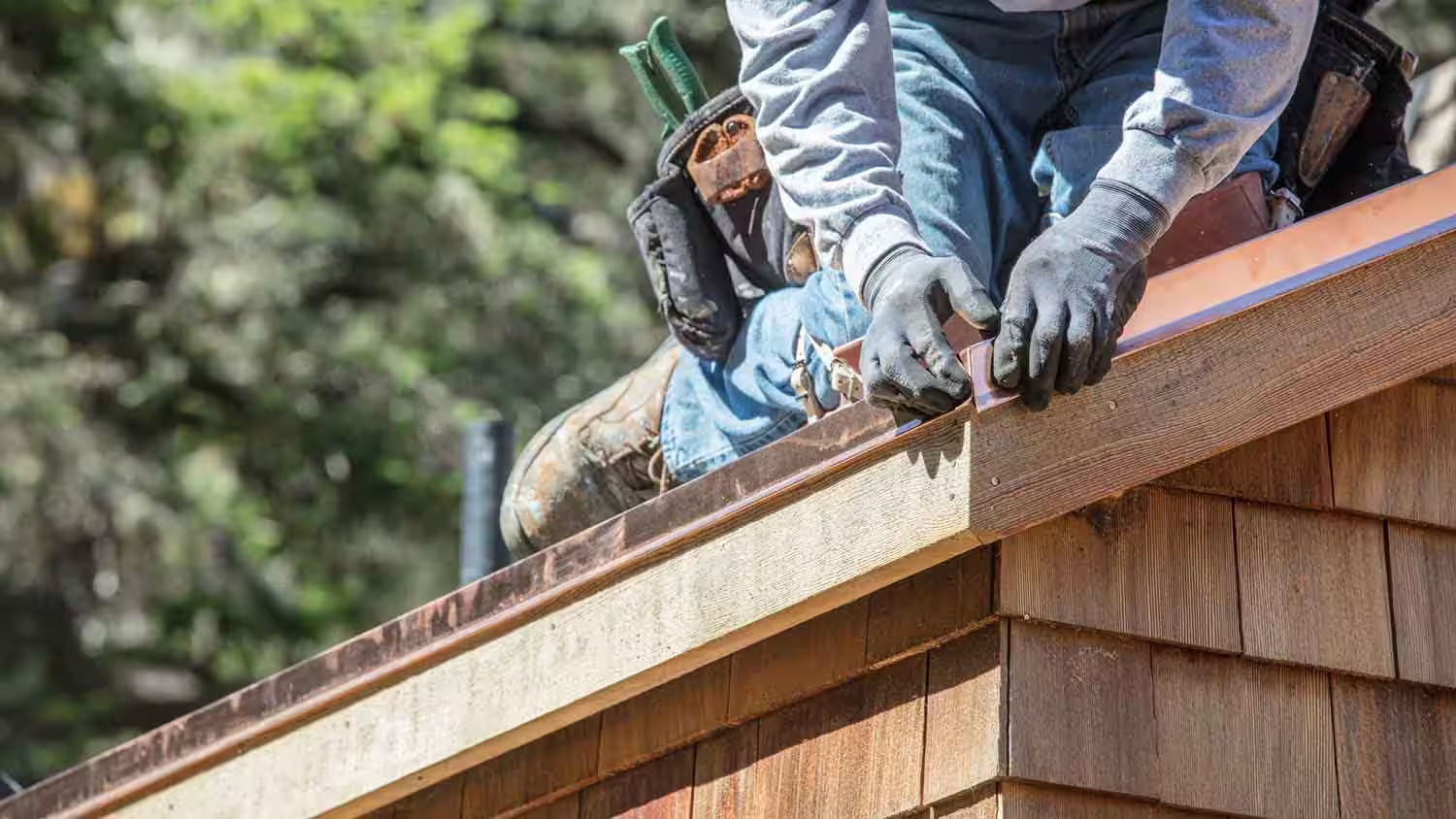
1. The Size of Your Roof
Roof size is one of the most significant factors influencing replacement costs.
Larger roofs generally require more materials, labour, and time to complete.
However, the square footage of your home isn't necessarily the same as the surface area of your roof.
A single-storey home and a two-storey home with identical interior square footage may have very different roof areas.
Roof pitch, overhangs, garages, additions, and other architectural features also affect the total area that needs to be covered.
How Do Roofing Contractors Measure a Roof?
Roofing contractors calculate the area of the roofing surface rather than relying exclusively on the home's floor area.
The measurement accounts for roof slopes, overhangs, and the overall configuration.
Additional material may also be required to accommodate cuts, overlaps, valleys, and installation details.
A professional estimate should be based on the actual roofing project rather than a general price associated with the size of the house.
2. The Roofing Material You Choose
The material selected for your new roof has a substantial influence on the overall project cost.
Different roofing systems have different material prices, installation requirements, and long-term maintenance considerations.
For many Comox Valley homeowners, the decision involves choosing between asphalt shingles and metal roofing.
Asphalt Shingles
Asphalt shingles are widely used on residential homes because they offer a range of styles and price points.
Different shingle products can vary in durability, appearance, warranty terms, and installation requirements.
A higher-priced shingle may offer different performance characteristics or aesthetic options, but the appropriate choice depends on the home and the manufacturer's specifications.
Metal Roofing
Metal roofing is another option for homeowners considering a new roof.
Metal systems vary in profile, coating, fastening method, and installation requirements.
These differences can influence material and labour costs.
Some metal roofing systems have a higher initial cost than conventional asphalt shingles, but homeowners may also consider expected service life, maintenance, appearance, and other long-term factors.
Comparing the Complete Roofing System
When evaluating material costs, it's important to compare more than the visible roofing product.
Underlayment, flashing, fasteners, ventilation components, and other installation materials also contribute to the price.
Two quotes that appear to offer the same roofing material may include different supporting components or installation details.
Understanding those differences is essential when comparing the total cost.
3. Roof Pitch and Accessibility
The slope of your roof affects how the work is completed.
A relatively straightforward, low-pitched roof may be easier to access than a steep roof with several elevated sections.
Steeper roofs can require additional safety measures, specialized access equipment, and more labour-intensive installation procedures.
The height of the home also matters.
A single-storey bungalow may present different access requirements from a multi-storey house with steep roof sections.
Other factors that can influence accessibility include limited driveway space, nearby trees, landscaping, narrow side yards, and restricted areas for material handling.
These conditions may affect both the time required and the equipment necessary to complete the project safely.
4. The Complexity of Your Roof's Design
Roof replacement costs are influenced by the number and complexity of roofing details.
A simple roof with two main slopes generally involves fewer transitions than a roof with multiple valleys, dormers, skylights, chimneys, or changes in elevation.
Each additional feature may require specialized cutting, flashing, waterproofing, or other installation work.
Roof Valleys
Valleys are areas where two roof slopes meet and direct water toward the eaves.
Because they handle runoff from adjoining sections, they require appropriate materials and installation details.
Chimneys and Roof Penetrations
Chimneys, plumbing vents, exhaust outlets, and other penetrations interrupt the continuous roofing surface.
These areas require suitable flashing and integration with the surrounding roofing system.
Dormers and Roof-to-Wall Transitions
Architectural features that create vertical walls or changes in roof geometry may require additional flashing and careful installation.
The more complicated the roof design, the more time and materials may be needed to complete the work.
5. Removing and Disposing of the Existing Roof
A roof replacement often involves removing the existing roofing materials before installing the new system.
The cost of this work depends on the type and amount of material being removed, roof accessibility, and the disposal requirements.
Some homes have multiple existing roofing layers or materials that require additional handling.
The removal process may involve:
-
Removing old shingles or roofing panels.
-
Removing deteriorated underlayment.
-
Removing flashing scheduled for replacement.
-
Collecting and transporting debris.
-
Disposing of materials appropriately.
-
Preparing the roof for inspection and installation.
When comparing roofing estimates, confirm whether removal, transportation, and disposal are included in the quoted price.
A quote that excludes these services may appear less expensive without representing the full cost of the project.
6. The Condition of the Existing Roof Decking
One of the more unpredictable factors in a roof replacement is the condition of the materials beneath the existing roof.
Roof decking provides the structural surface supporting the roofing system.
On many residential homes, it consists of plywood or oriented strand board installed over the roof framing.
Although some deterioration may be visible during an inspection, the full condition of the decking may not become apparent until the existing roofing materials are removed.
What Happens If Rotten Decking Is Discovered?
If the contractor finds deteriorated or structurally compromised decking, the affected material may need to be replaced before installation continues.
The additional cost depends on the extent of the damage and whether other components require attention.
A small localized repair may involve limited additional work, while widespread deterioration can substantially change the project.
Ask your roofing contractor how unexpected decking repairs will be documented, priced, and approved before work begins.
This can help prevent misunderstandings if concealed damage is discovered during the replacement.
7. Flashing, Underlayment, and Other Roofing Components
A new roof is more than a layer of shingles or metal panels.
The complete system includes components that help manage water, protect vulnerable areas, and support the installation.
Depending on the roof and selected materials, these may include:
-
Underlayment.
-
Roof-edge flashing.
-
Valley protection.
-
Chimney and wall flashing.
-
Ventilation components.
-
Fasteners and accessories.
-
Other waterproofing details.
The type and quantity of these components can affect the overall cost.
For homeowners in the Comox Valley, appropriate water-management details are particularly important because roofing systems experience frequent rainfall and extended periods of damp weather.
A lower-cost estimate that omits necessary components or proposes an unsuitable installation method may not provide the same scope of work as a more complete proposal.
8. Attic Ventilation and Related Improvements
Roof replacement provides an opportunity to assess certain components that may be more accessible while the roofing work is underway.
Attic ventilation is one example.
If the existing ventilation arrangement is inadequate, damaged, or poorly configured, the contractor may recommend improvements as part of the project.
The cost depends on the changes required and the design of the roof assembly.
Not every roof replacement requires new ventilation components, and adding more vents isn't automatically the correct solution for every attic moisture problem.
Recommendations should be based on the home's construction and the condition of the existing system.
Where appropriate, addressing related concerns during replacement may avoid the need to disturb the new roofing materials later.
9. Labour, Scheduling, and Weather Conditions
Labour is an important component of a roof replacement estimate.
The amount of work required depends on the roof's size, design, selected materials, and existing condition.
A straightforward asphalt shingle replacement may have different labour requirements from a complex roof with steep sections and numerous flashing details.
Weather can also influence scheduling.
In the Comox Valley, prolonged rainfall may require contractors to plan installation around suitable weather windows.
The project must be managed to avoid unnecessary moisture exposure when existing roofing materials are removed.
Weather-related delays don't automatically mean the replacement will cost more, but difficult conditions, temporary protection requirements, or interrupted work can affect project planning.
Discuss scheduling and weather protection with your contractor before approving the work.
10. Additional Services and Project Requirements
Some roofing projects involve work beyond the installation of new roofing materials.
For example, a homeowner may choose to replace deteriorated fascia boards, address damaged roof-edge components, or complete other related repairs while the roof is being replaced.
Certain projects may also require additional assessments, specialized equipment, permits, or other arrangements depending on the scope of work and local requirements.
These costs should be identified wherever reasonably possible during the estimating process.
If additional services are optional, ask your contractor to distinguish them from work that is necessary to complete the roofing system.
This helps homeowners establish priorities and understand where their budget is being allocated.
Why Do Roof Replacement Quotes Vary Between Contractors?
Receiving estimates with different totals doesn't necessarily mean one contractor is overcharging or another is offering a bargain.
The proposals may include different materials, installation methods, services, or assumptions about the existing roof.
Before comparing prices, examine the scope of work.
|
Estimate component |
What to compare |
|---|---|
|
Roofing materials |
Product type, quality, and specifications |
|
Underlayment |
Material and areas of installation |
|
Flashing |
Which components are replaced or retained |
|
Removal |
Existing materials included in tear-off |
|
Decking |
Allowances and pricing for unexpected repairs |
|
Ventilation |
Proposed work and components |
|
Disposal |
Debris removal and associated charges |
|
Warranty |
Workmanship and material coverage |
|
Total price |
Included services, exclusions, and applicable taxes |
If one estimate differs significantly from another, ask the contractor to explain the proposed work.
Understanding these differences is more useful than comparing the final totals alone.
How Much Should You Budget for a New Roof in the Comox Valley?
Without knowing the size, design, materials, and existing condition of your roof, a reliable project-specific price cannot be established.
Online roofing cost estimates can provide general background, but they may not reflect the actual requirements of your home or the scope of a local contractor's proposal.
The most useful starting point is a professional roof assessment.
A detailed estimate can help you understand the expected cost, identify potential additional work, and determine which material options are appropriate for your home.
When developing your budget, consider allowing for unforeseen repairs that may only become apparent after the existing roofing materials are removed.
Ask your contractor whether the estimate includes a contingency allowance or how additional work will be priced.
Is It Better to Repair Your Roof or Replace It?
If your roof requires attention but isn't extensively deteriorated, a localized repair may be sufficient.
However, repeated repairs can become less practical when the roofing system is aging or damage affects multiple areas.
The decision depends on the condition of the roof, the extent of the problem, the expected remaining service life, and the cost of the proposed work.
A professional assessment can help establish whether repairing the affected area remains appropriate or whether replacement deserves consideration.
The objective should be to select a solution that addresses the roofing problem and makes sense for the condition of the home.
When to Call a Roofing Professional
If your roof is showing signs of widespread deterioration, recurring leaks, or significant storm damage, arrange a professional inspection.
A roofing specialist can assess accessible components, explain the factors affecting your project, and prepare a quote based on the actual roofing system.
For homeowners planning a replacement, this is also an opportunity to discuss material options, scheduling, potential hidden damage, and the complete scope of work.
Understanding these details before construction begins can help you establish a realistic budget and avoid unexpected misunderstandings.
Contact Aces Roofing for a Professional Roof Replacement Estimate
The cost of replacing a roof depends on several interconnected factors, from the materials you choose to the condition of the structure beneath the existing roofing system.
A professional assessment can help you understand which factors apply to your home and what work may be necessary.
Aces Roofing provides expert service to homeowners throughout the Comox Valley, helping them assess roofing concerns and understand their repair and replacement options.
Contact Aces Roofing to schedule a professional roof inspection and discuss a roof replacement estimate for your home.
FAQ
What is the biggest factor affecting roof replacement cost?
Roof size and material selection are major cost factors, but the complexity of the roof, accessibility, labour requirements, and condition of the existing decking can also have a significant effect. A professional estimate considers these factors together rather than relying on the square footage of the home alone.
Is metal roofing more expensive than asphalt shingles?
Some metal roofing systems have a higher initial installation cost than conventional asphalt shingles, but pricing depends on the specific products, roof design, and installation requirements. Homeowners should compare the complete roofing systems, including supporting materials, expected maintenance, and other long-term considerations.
Can the final cost of a roof replacement be higher than the original estimate?
Yes, particularly when concealed damage is discovered after the existing roofing materials are removed. Deteriorated decking, damaged structural components, or other unexpected conditions may require additional work. Ask your roofing contractor how these discoveries will be documented, approved, and priced before the project begins.