
Most homeowners know that regular roof maintenance is important, but there's one part of preventative care that often gets overlooked: keeping good records.
You might remember having a few shingles replaced after a windstorm or arranging a roof inspection several years ago. But can you find the invoice? Do you remember which section was repaired? Do you know when your roof was last replaced or what materials were installed?
These details can become surprisingly important when a new roofing problem develops.
For homeowners in the Comox Valley, where roofs are exposed to frequent rainfall, seasonal storms, and prolonged moisture, having a reliable maintenance history can make it easier to recognize recurring problems and plan appropriate repairs.
Whether your roof is relatively new or approaching the end of its expected service life, keeping organized records is a simple way to protect your investment.
Here's what to keep, why it matters, and how to create a roof maintenance history that will be useful for years to come.
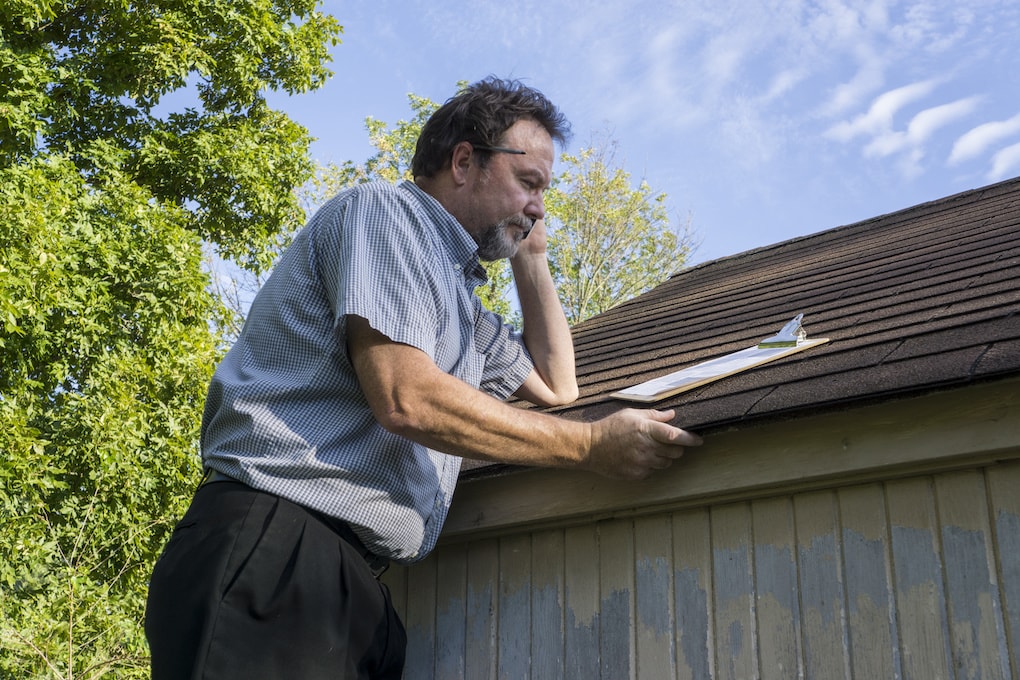
Why Are Roof Maintenance Records Important?
Your roof is a system made up of several interconnected components, including shingles or other roofing materials, underlayment, flashing, ventilation, and the underlying roof structure.
Over time, different parts of that system may require maintenance or repair.
Without a written history, it can be difficult to understand which work has already been completed, whether a problem has occurred before, or when a particular component was last inspected.
Roof maintenance records help create a clearer picture of the roof's condition over time.
They can also help you:
-
Track previous inspections and repairs.
-
Identify recurring roofing problems.
-
Understand the age and condition of roofing materials.
-
Keep warranty information accessible.
-
Provide useful information to roofing contractors.
-
Document damage following storms.
-
Plan and budget for future roofing work.
-
Provide a maintenance history when selling your home.
You don't need a complicated filing system. The objective is simply to keep important roofing information organized and easy to find when you need it.
1. Keep Your Original Roof Installation Records
If you've had your roof replaced, the original installation documents are among the most valuable records you can keep.
These documents establish when the work was completed, which materials were installed, and who performed the installation.
Whenever possible, retain:
-
The original roofing estimate and final invoice.
-
The date of installation.
-
The contractor's name and contact information.
-
Roofing material manufacturer and product information.
-
Colour and product specifications, where available.
-
Workmanship and manufacturer warranty documents.
-
Any inspection or completion documentation provided.
Knowing when your roof was installed is especially useful when evaluating its condition later.
A roof that is five years old may warrant a different assessment from one that has been exposed to coastal weather for several decades.
The original materials and installation details may also help a contractor identify compatible replacement products if localized repairs become necessary.
What If You Don't Know How Old Your Roof Is?
This is common when purchasing an older home.
Previous owners may not have retained the original installation documents, or the roof may have been replaced before you purchased the property.
If the information is unavailable, record what you do know.
A professional roofing inspection may help establish the roof's apparent condition and provide an approximate assessment of its age, although an inspection cannot always determine the exact installation date.
Starting a maintenance record now is still worthwhile, even if some historical details are missing.
2. Save Professional Roof Inspection Reports
A roof inspection provides a snapshot of your roofing system's condition at a particular point in time.
Keeping previous inspection reports allows you to compare findings and understand whether certain concerns are changing.
For example, an earlier inspection may identify minor flashing deterioration or an area where moss is beginning to accumulate.
A later inspection may establish whether those conditions have remained stable, worsened, or been corrected.
Where available, retain inspection reports that identify the date of the assessment, areas examined, observed deficiencies, and recommended maintenance or repairs.
Photographs provided by the contractor can also be useful.
Over several years, these records can help build a clearer understanding of how your roof is performing.
3. Document Every Roof Repair
Whenever roofing work is completed, keep a record of what was repaired and why.
This is particularly important for localized repairs, where only one section of the roof may have been affected.
For example, suppose a leak develops around a plumbing vent during heavy rain.
A contractor repairs the affected flashing, and the leak stops.
Several years later, moisture appears in the same general area.
Having the original repair information can help the next contractor understand what work was previously completed and whether the new problem may be related.
What Should a Roof Repair Record Include?
Whenever possible, keep the following information:
|
Information |
Why it matters |
|---|---|
|
Date of repair |
Establishes when the work occurred |
|
Location of repair |
Identifies the affected roof section |
|
Original problem |
Records the reason for the repair |
|
Work completed |
Explains what was repaired or replaced |
|
Materials used |
Helps with future compatibility questions |
|
Contractor information |
Provides a reference for follow-up questions |
|
Invoice and warranty |
Documents cost and applicable coverage |
A short description of the repair, together with an invoice and photographs, can provide a useful history without requiring extensive recordkeeping.
4. Keep Photographs of Roofing Problems and Repairs
Photographs are an effective way to document changes in your roof's condition.
They can be particularly helpful when a problem is temporary, difficult to describe, or only visible during certain weather conditions.
For example, water may drip from a ceiling during a storm but stop before a contractor arrives.
Photographs of the affected area can help establish what happened and where the problem appeared.
Useful photographs may include visible shingle damage, gutter overflow, interior water stains, storm-related debris, or repair work documented by your roofing contractor.
5. Keep Your Roofing Warranty Documents Together
Roofing warranties may contain important information about the materials installed and the work completed.
Depending on the project, you may have a manufacturer's material warranty, a contractor's workmanship warranty, or both.
These documents should be stored with the corresponding estimates, invoices, and repair records.
Warranty terms vary, so homeowners should review the actual coverage rather than assuming every roofing product or repair has the same protection.
Some warranties may contain maintenance requirements, exclusions, or procedures for reporting a suspected problem.
Keeping the relevant documentation accessible can make it easier to understand the applicable terms if a concern develops.
It's also useful to record the contractor's contact information and any product registration details associated with the installation.
6. Document Storm Damage and Insurance-Related Repairs
For Vancouver Island homeowners, windstorms and heavy rainfall can occasionally create unexpected roofing problems.
If your roof sustains damage during a storm, document the event as thoroughly as you can without placing yourself at risk.
Useful information may include:
-
The date of the storm.
-
The type of damage observed.
-
Photographs taken from a safe location.
-
When water intrusion was first noticed.
-
Inspection findings.
-
Temporary protective measures.
-
Estimates and invoices for completed repairs.
If you contact your insurance provider, retain relevant correspondence and any claim documentation.
Insurance coverage depends on the terms of your policy and the circumstances of the damage. Keeping maintenance and repair records does not guarantee that a claim will be approved.
However, an organized history can help establish what was observed, when it occurred, and which work was completed.
7. Track Recurring Roofing Problems
One of the less obvious benefits of maintaining roofing records is the ability to recognize patterns.
A single repair may appear straightforward, but repeated problems in the same area can suggest that further investigation is needed.
For example, you might notice that:
-
A roof valley repeatedly collects debris.
-
Water stains return near the same ceiling location.
-
Flashing around a particular roof penetration requires frequent attention.
-
One roof section develops moss more quickly than others.
-
Gutters along one side of the house repeatedly overflow.
A maintenance history helps distinguish an isolated problem from one that continues to develop.
This information can be especially valuable when deciding whether another localized repair is appropriate or whether a broader assessment of the roofing system is warranted.
8. Use Your Records to Plan Future Roof Maintenance
Roof maintenance records shouldn't simply sit in a folder until something goes wrong.
They can also help you plan preventative care.
Reviewing previous inspection recommendations, repair dates, and recurring concerns can help you identify which areas may need attention during the next maintenance visit.
For example, if an inspection identified deteriorating flashing that didn't require immediate replacement, your records can serve as a reminder to have that area reassessed.
Similarly, if your roof has required repeated repairs over several years, the maintenance history may help inform future budgeting and replacement decisions.
The objective isn't to follow a rigid schedule based solely on paperwork. It's to use the available information to make better decisions about the actual condition of your roof.
How Should Homeowners Organize Roof Maintenance Records?
You don't need specialized software to maintain a useful roofing history.
A physical folder, digital document, or simple spreadsheet can work well.
The most practical system is one you'll continue using.
Consider creating a dedicated folder containing installation records, inspection reports, repair invoices, warranties, and photographs.
For digital records, use descriptive file names that include the date and type of work.
For example:
2026-09-15_Roof_Inspection_Report.pdf
2026-10-08_Chimney_Flashing_Repair.pdf
A simple maintenance log can also provide a quick overview.
|
Date |
Work or observation |
Follow-up |
|---|---|---|
|
March 2026 |
Professional roof inspection |
Recheck identified flashing concern |
|
June 2026 |
Localized flashing repair |
Retain invoice and warranty |
|
September 2026 |
Gutters cleaned |
Monitor drainage during autumn |
|
November 2026 |
Storm-related roof assessment |
Complete recommended repairs |
Example entries only.
Keep copies of important records in a secure location, and maintain a backup of digital documents where practical.
Are Roof Maintenance Records Useful When Selling Your Home?
Yes. An organized roofing history can help prospective buyers understand the age of the roof and the work that has been completed.
It may also make it easier to answer questions about previous leaks, replacement dates, and significant repairs.
For example, being able to provide documentation showing when the roof was replaced and which materials were installed is more useful than relying on an approximate recollection.
A maintenance history doesn't guarantee that a roof is free of defects or replace the need for a professional inspection.
However, accurate records can provide useful context about the property's maintenance history.
When to Call a Roofing Professional
If your maintenance records reveal repeated leaks, recurring damage, or concerns that have not been addressed, arrange a professional roof inspection.
A roofing specialist can assess accessible components and help determine whether previous repairs remain effective or whether additional work is appropriate.
For homeowners who don't have an established roofing history, a current inspection can also provide a useful starting point.
From there, future repairs and maintenance can be documented as they occur.
For Comox Valley homeowners, maintaining that record can make it easier to manage roofing concerns through years of coastal weather.
Contact Aces Roofing for Professional Roof Maintenance
Your roof is one of the most important protective systems in your home, and understanding its condition over time can help you make informed decisions about maintenance and repairs.
Keeping organized records is a straightforward way to support that process.
Aces Roofing provides expert service to homeowners throughout the Comox Valley, helping identify roofing concerns and determine appropriate preventative maintenance and repair solutions.
Contact Aces Roofing to schedule a professional roof inspection and take the next step toward maintaining your home's roofing system.
FAQ
How long should I keep roof maintenance records?
It's useful to retain important roofing records for as long as you own the home. Installation documents, warranty information, inspection reports, and significant repair records can remain relevant for many years. Keep the documents together so they can be referenced during future repairs, warranty inquiries, or property transactions.
Do I need to keep receipts for minor roof repairs?
Yes. Even a relatively small repair can become relevant if another problem develops in the same area. An invoice may help establish when the work occurred, what was completed, and which contractor performed it. Keeping these records can also make it easier to track the overall maintenance history of your roof.
What if I don't have any records of my roof's previous maintenance?
Start with the information currently available. Record the roof's approximate age if known, retain any existing invoices or warranty documents, and consider arranging a professional inspection to establish its current condition. You can then build a maintenance history as future inspections and repairs are completed.